


We take every possible measure to
give your pet the care they deserve!
CPVETS is different from your primary care veterinarian in that we are available to clients 24/7/365. Our medical team focuses solely on providing emergency and critical care, with a doctor and multiple medical support staff on the premises at all times. So, whether your pet has a problem at 2pm or 2am, we are here to help!
We take every possible measure to
give your pet the care they deserve!
CPVETS is different from your primary care veterinarian in that we are available to clients 24/7/365. Our medical team focuses solely on providing emergency and critical care, with a doctor and multiple medical support staff on the premises at all times. So, whether your pet has a problem at 2pm or 2am, we are here to help!
We take every possible measure to
give your pet the care they deserve!
CPVETS is different from your primary care veterinarian in that we are available to clients 24/7/365. Our medical team focuses solely on providing emergency and critical care, with a doctor and multiple medical support staff on the premises at all times. So, whether your pet has a problem at 2pm or 2am, we are here to help!

Welcome to CPVETS New Hospital Location!
CPVETS has some exciting news to share with you!
CPVETS is excited to announce the opening of our new, larger facility at 100 Oakwood Avenue in State College. This expansion allows us to finally welcome pet owners back inside for in-person consultations.


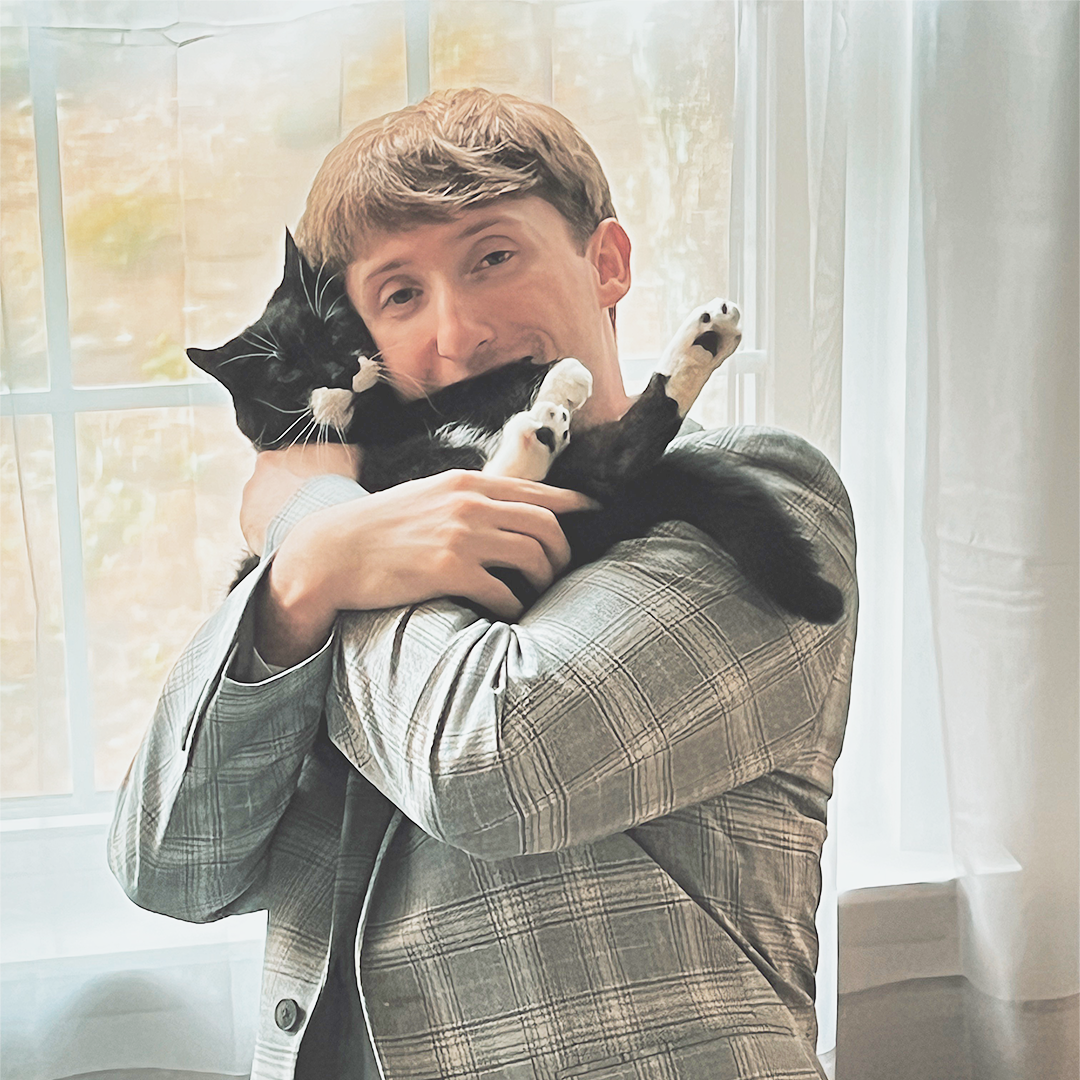
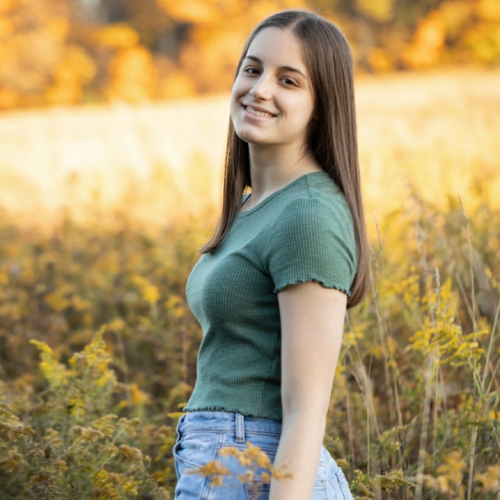
Meet the Team





Our Services


Client Reviews

They are amazing they truly care about you and your pet. I went there for my gabbi who had just had a seizure and I needed answers and help. They welcomed me and gabbi very warmly got is immediately back to a room and were trying to help with what was wrong. They helped calm me down and give me answers for what was going on with my baby. I would recommend them to everyone who has a pet who needs a vet or emergency services!!!! They truly care about you and your pets needs
Casey Seyler
september 23, 2017
In the beginning of August my female Rottweiler started having some major issues. No eating, drinking or going to the bathroom. Having her at my vets twice that week with no answers she passed a blood clot on a Thursday night. I rushed her to CP vets. X-rays were immediately taken & it was clear there was a blockage but unsure where. Upon going into surgery it was discovered she had a colonic torsion. The vet saved my dogs life hands down. After speaking with 6 different vets I learned a colonic torsion was extremely rare. My rottie stayed for 2 days at cp vets & I was allowed to stop in to see her anytime. Staff was all amazing with me & the situation!
Emmylou Richards
november 13, 2017
I want to thank you from the bottom of my heart for the quality care that you gave my kitty Hazel. I could genuinely tell everyone there really cared about her and wanted what was best for her. I felt so confident leaving her in your care overnight. I will tell everyone I know to come to CP for any medical emergency their pet may have. For everything that was done for my girl the price was very reasonable as well. Hazel has been eating a lot since she's been home and seems like she's back to her regular self thanks to you. Happy new year!
Sara Bordack
january 1, 2018
My dog and I could not have been treated any better. All staff, from receptionist to Dr. Morgan were so compassionate and professional. Our visit was due to an emergency. They were waiting for us when we arrived and took exceptionally good care of my dog. Each staff member we came into contact with helped lessen the stress of our emergency situation. I recommend them to everyone.
Suzanne Berry
october 9, 2017


I can't speak any higher of the care and compassion we received last Saturday night . We had to finally make the decision to put my mom's 16 year old pug to sleep when it finally affected her breathing. They were so patient and let us spend all the time we needed with her . They were a true savior being there is no emergency vets available in DuBois . They are wonderful.
Becky Miller Paulinellie
october 6, 2017